text and photography by Aurora Solá
Earth. Simultaneously the definition of ordinariness and the home of paradise, theater of the sublime. Substance and sphere, name and nadir. Earth is everywhere, the ubiquitous constant, and Earth is the belly of a diversity that balks all account. Canvassed, probed, mined and catalogued, despite all this exploring, the Earth is still, as Nietzsche had it, “unexhausted and undiscovered.”
The poets continually return to their source. In the annals of poetry, the Earth is teacher, analogue for a lover’s body, image of the divine, frazzled vessel, organ of reconstitution, threatening memento of mortality, essential goodness, both dead and alive. Here we take four directions in our approach to the source, making a circle with four poets from the last two millennia: at least one woman, at least two men, three Americans and one Japanese, at least one homophile, an uncertain number of mystics.
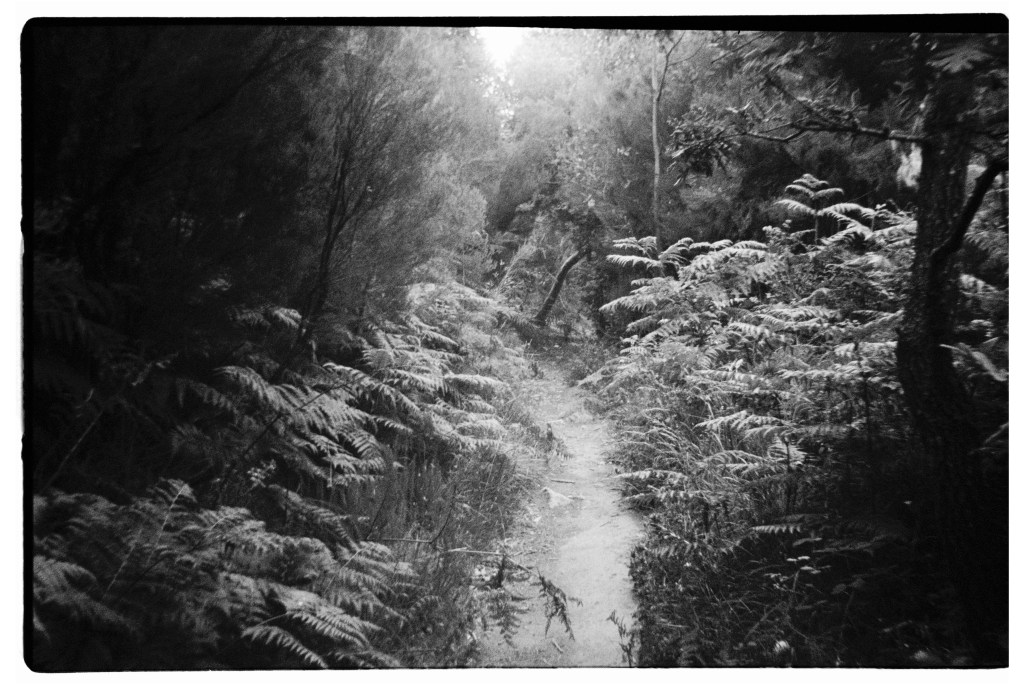
SOUTH _ WALT WHITMAN
a.d. 1855
The spotted hawk swoops by and accuses me, he complains of my gab and my loitering.
I too am not a bit tamed, I too am untranslatable,
I sound my barbaric yawp over the roofs of the world.
The last scud of day holds back for me,
It flings my likeness after the rest and true as any on the shadow’d wilds,
It coaxes me to the vapor and the dusk.
I depart as air, I shake my white locks at the runaway sun,
I effuse my flesh in eddies, and drift it in lacy jags.
I bequeath myself to the dirt to grow from the grass I love,
If you want me again look for me under your boot-soles.
You will hardly know who I am or what I mean,
But I shall be good health to you nevertheless,
And filter and fibre your blood.
Failing to fetch me at first keep encouraged,
Missing me one place search another,
I stop somewhere waiting for you.
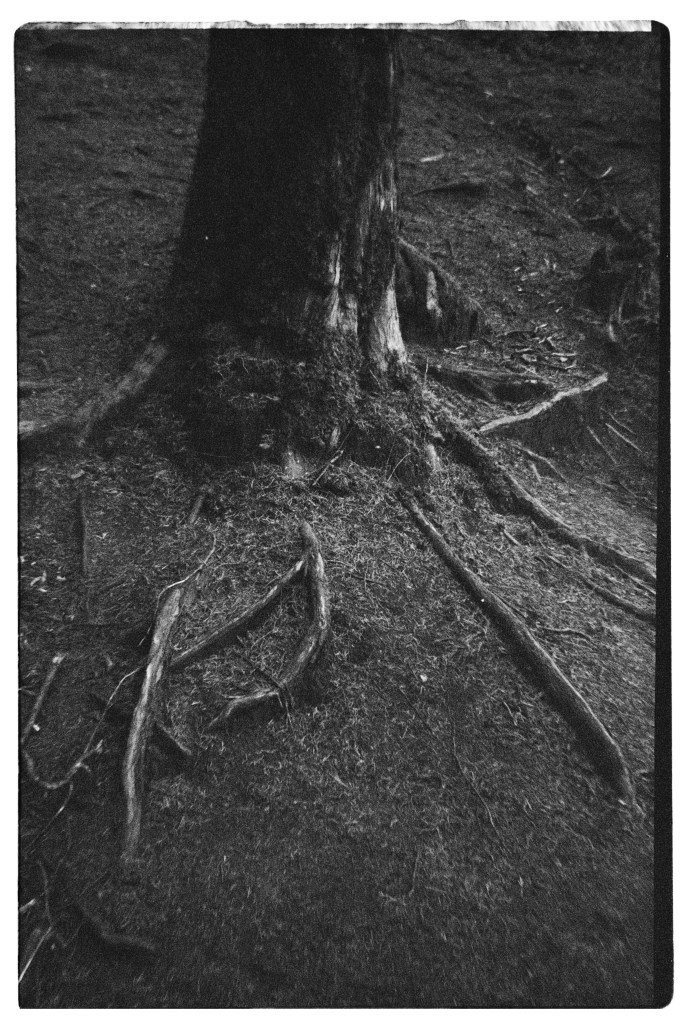
EAST _ EMILY DICKINSON
a.d. 1877
The Fact that Earth is Heaven —
Whether Heaven is Heaven or not
If not an Affidavit
Of that specific Spot
Not only must confirm us
That it is not for us
But that it would affront us
To dwell in such a place —
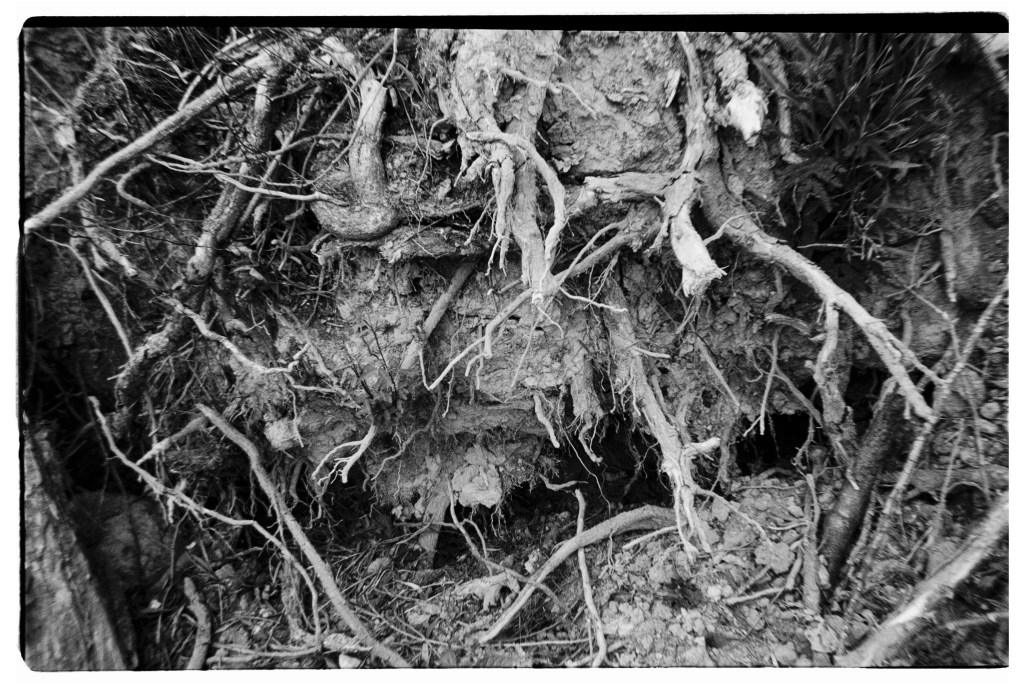
NORTH _ T. S. ELIOT
a.d. 1942
Through the unknown, remembered gate
When the last of earth left to discover
Is that which was the beginning;
At the source of the longest river
The voice of the hidden waterfall
And the children in the apple-tree
Not known, because not looked for
But heard, half-heard, in the stillness
Between two waves of the sea.
Quick now, here, now, always—
A condition of complete simplicity
(Costing not less than everything)
And all shall be well and
All manner of thing shall be well
When the tongues of flame are in-folded
Into the crowned knot of fire
And the fire and the rose are one.
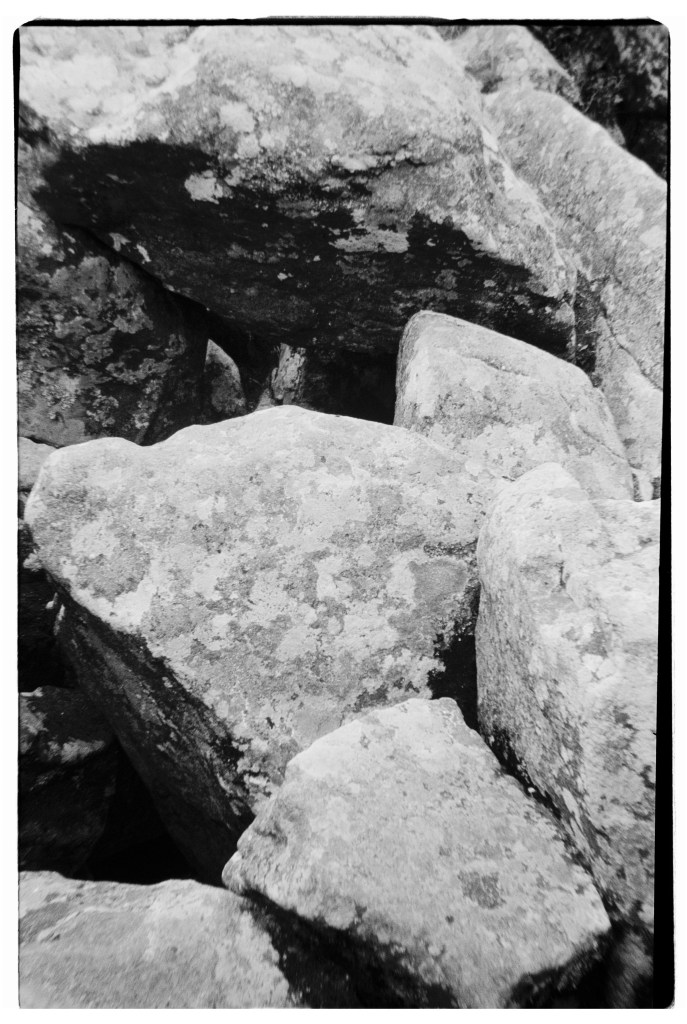
WEST _ [author and date unknown, Japanese Zen scroll]
there is really nothing you must be.
and there is nothing you must do.
there is really nothing you must have.
and there is nothing you must know.
there is really nothing you must become.
however, it helps to understand that fire burns,
and when it rains, the earth gets wet.